
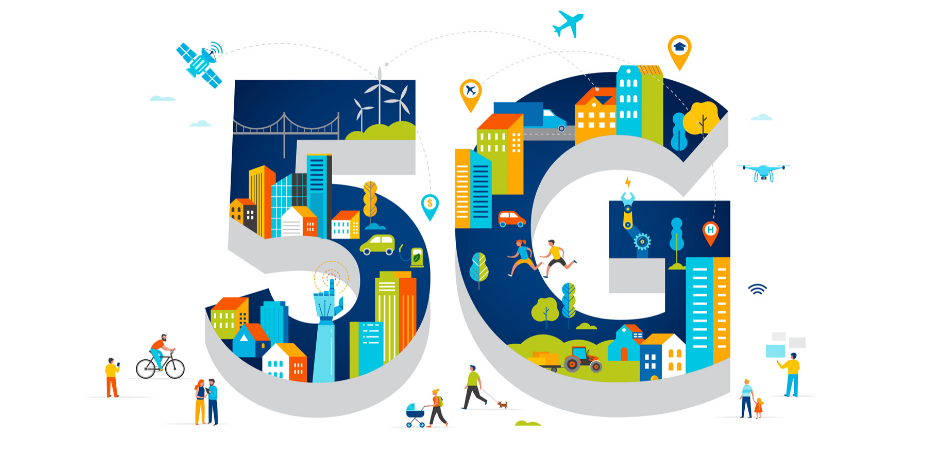
The rollout of 5G technology has already transformed the way we connect, offering blazing-fast speeds, low latency, and better connectivity for billions of devices worldwide. But even as 5G becomes mainstream, researchers and tech companies are already preparing for the next frontier – 6G. With promises of ultra-fast connections, futuristic applications, and smarter networks, the question is: How does 6G compare to 5G, and what can we expect in the near future?

Table of Contents
1. What Makes 5G Special?
In telecommunications, 5G is the fifth generation of cellular network technology, as the successor to the fourth generation, and has been deployed by mobile operators worldwide since 2019. 5G represents a huge leap from 4G LTE. It enables:
- Faster Speeds: Up to 10 Gbps, 100 times faster than 4G.
- Low Latency: As little as 1 millisecond, essential for gaming, AR/VR, and autonomous vehicles.
- Massive Connectivity: Supporting billions of IoT devices, from smart homes to smart cities.
5G is the backbone of innovations like remote surgeries, autonomous cars, and real-time cloud gaming.
2. Enter 6G: The Next Generation
6G is expected to launch around 2030, but early research shows it will be a game-changer. Some of its potential features include:
- Speeds of up to 1 Tbps (yes, terabits per second).
- Sub-millisecond latency, making interactions almost instantaneous.
- Integration of AI in networks for smarter, self-optimizing connections.
- Support for holographic communication, tactile internet, and digital twins.
3. Key Differences Between 5G and 6G
| Feature | 5G | 6G (Expected) |
|---|---|---|
| Speed | Up to 10 Gbps | Up to 1 Tbps |
| Latency | ~1 ms | <0.1 ms |
| Connectivity | Billions of IoT devices | Trillions of IoT devices |
| Technology | Cloud computing, IoT, AR/VR | AI-driven networks, holograms, quantum communications |
| Timeline | 2020–2030 | 2030 onward |
4. How 6G Could Change Our Lives
6G won’t just be faster – it will enable new possibilities:
- Holographic Calls: Imagine FaceTime in full 3D holograms.
- Smart Healthcare: Doctors using digital twins of patients for remote treatment.
- Fully Autonomous Transport: Cars, drones, and even flying taxis communicating instantly.
- Metaverse Expansion: 6G will power immersive, lifelike virtual worlds.
- Space-Based Internet: Satellites and 6G working together for global coverage.
5. Challenges Ahead
While 6G sounds promising, it faces significant challenges:
- Infrastructure Costs: Building 6G networks requires trillions in investment.
- Energy Demand: High speeds mean higher power usage.
- Global Standardization: Countries must align to avoid fragmented networks.
- Privacy & Security: With trillions of devices connected, security risks grow exponentially.
6. The Role of AI and Edge Computing
6G networks will rely heavily on AI and edge computing to manage massive amounts of data in real time. Instead of sending everything to distant servers, edge devices will process information locally, making connections faster and more efficient.
7. Who’s Leading the Race to 6G?
Tech leaders like Samsung, Huawei, Nokia, and Ericsson are already researching 6G. Countries such as China, South Korea, the US, and Japan are investing billions into early testing and standards development, hoping to dominate the next era of mobile internet.
Conclusion
While 5G is still being rolled out globally, 6G promises to redefine what connectivity means. With unimaginable speeds, near-zero latency, and futuristic applications like holograms and digital twins, 6G could reshape industries and daily life. However, widespread adoption is still years away, and challenges like cost, security, and global cooperation must be solved.
The future of mobile internet is clear: 5G is today’s revolution, but 6G will be tomorrow’s evolution. Also Check The Role of Open-Source Software – Free Guide – 2025.
1 thought on “5G vs 6G – What’s Next in Mobile Internet for free 2025”