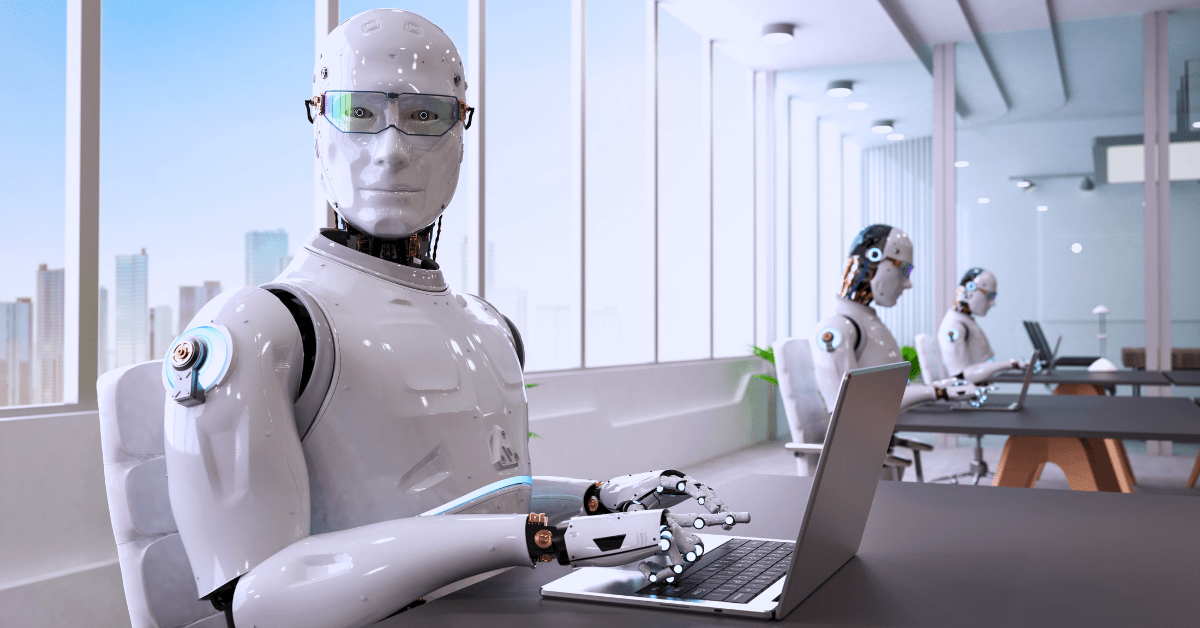
Artificial Intelligence (AI) has been part of workplace discussions for years, but in 2025, it has moved from being a buzzword to a daily reality. From writing content to analyzing data, managing customer service, and even making strategic business decisions, AI tools are reshaping the way we work. The rise of platforms like ChatGPT, Copilot, Jasper AI, and MidJourney has made it clear: AI is no longer just an experiment – it’s a tool that businesses and individuals use every day to improve productivity, efficiency, and creativity.

Table of Contents
Artificial Intelligence in Everyday Workplaces
1. Automation of Repetitive Tasks
AI excels at handling time-consuming, repetitive work. Tasks like scheduling meetings, sorting emails, creating reports, and managing data entry can now be automated. This allows professionals to focus on higher-value work that requires human judgment and creativity.
2. AI-Powered Creativity
Tools like ChatGPT for writing, Canva’s Artificial Intelligence design assistant, and MidJourney for art are empowering creators. Instead of starting from scratch, professionals can generate ideas, drafts, and designs instantly – reducing the time needed to complete projects.
3. Smarter Decision Making
AI-driven analytics platforms help companies analyze huge amounts of data quickly. From predicting customer behavior to identifying market trends, Artificial Intelligence gives businesses actionable insights. In 2025, decision-making is becoming more data-driven, accurate, and fast thanks to these tools.
4. Personal Assistants at Work
AI-powered virtual assistants are no longer limited to phones. In workplaces, tools like Microsoft Copilot and Google Duet AI are built into Word, Excel, Gmail, and more, helping employees write emails, create spreadsheets, and draft presentations faster than ever before.
Industries Being Transformed by Artificial Intelligence
- Healthcare: Artificial Intelligence is improving diagnostics, drug research, and patient care. Virtual health assistants can even answer medical questions in real-time.
- Education: Teachers and students use AI to create study materials, personalize learning, and make classrooms more interactive.
- Marketing: From creating personalized ads to analyzing customer data, AI is reshaping digital marketing strategies.
- Software Development: AI tools help generate code, fix bugs, and suggest better solutions, accelerating the development cycle.
Benefits of AI at Work
- Increased Productivity: Employees accomplish tasks faster with AI support.
- Better Collaboration: AI tools integrate with platforms like Slack, Teams, and Zoom, improving communication.
- Cost Savings: Companies can reduce overhead by automating processes.
- Global Accessibility: AI removes barriers — a small business can now compete with big players by leveraging the same AI tools.
Challenges and Risks
While AI offers huge advantages, it also raises challenges:
- Job Security Concerns: Workers fear being replaced by automation.
- Bias in AI: If trained on biased data, AI can make unfair decisions.
- Privacy Issues: Data collection and AI surveillance spark ethical debates.
- Overdependence: Relying too much on AI may limit human creativity and problem-solving.
To truly benefit, companies must strike a balance between automation and human input.
The Future of Work with AI
Looking ahead, AI will not just be an assistant but a collaborator. We are moving towards:
- Hybrid Workforces: Humans and AI working together seamlessly.
- AI-First Businesses: Startups that design their entire operations around AI.
- Reskilling Opportunities: Professionals learning how to use AI effectively will stay ahead in their careers.
- AI Regulation: Governments creating policies to ensure ethical and safe AI use.
AI is not replacing jobs – it is transforming them. The workers of tomorrow will be those who know how to use AI as a tool rather than see it as a threat.
Conclusion
In 2025, AI has become a central force shaping how we work. From improving efficiency to unlocking new creative possibilities, AI is redefining job roles and entire industries. The future workplace is not about humans versus AI, but humans with AI. Those who adapt, learn, and embrace these tools will thrive in this new era of work.
AI is not just changing the workplace – it’s changing the very definition of work itself. Also Check Future of Coding – Ultimate Free Guide – 2025.
1 thought on “Impact of Artificial Intelligence on Work for Free in 2025”