
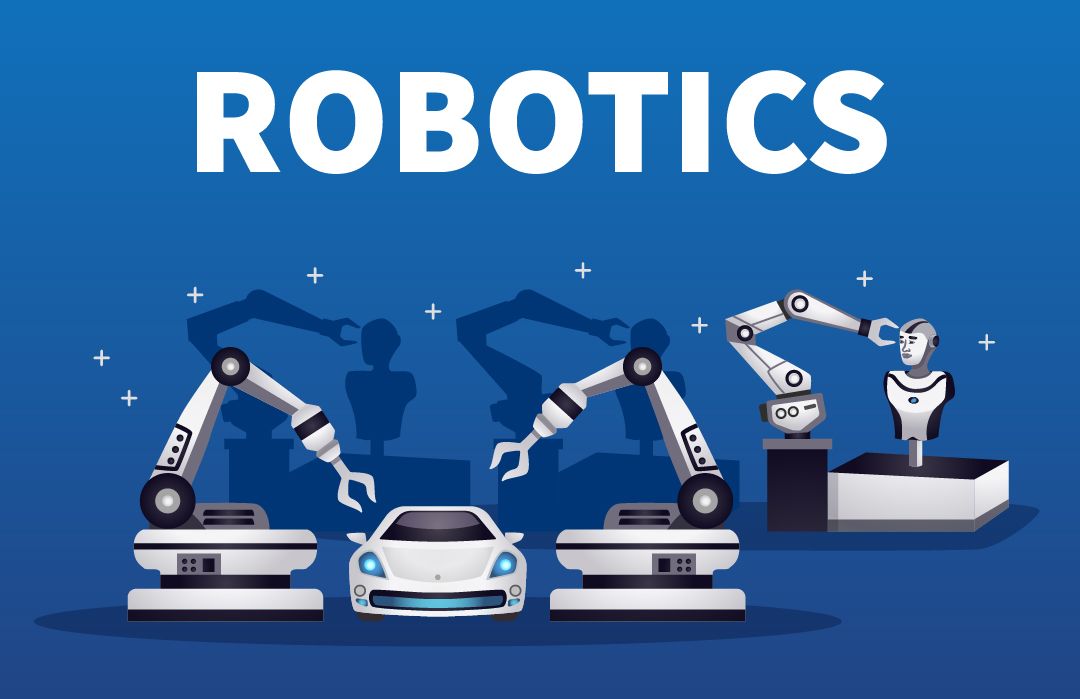
The rise of robotics has transformed industries across the globe. From automated assembly lines to AI-driven service bots, robots are no longer just machines confined to science fiction-they are a vital part of our daily lives. As we enter 2025 and beyond, it is redefining how we work, the kinds of jobs available, and the skills people need to succeed.

Table of Contents
1. The Role of Robotics in Modern Industries
Robotics is widely adopted in industries like manufacturing, healthcare, logistics, retail, and even education. These robots range from industrial robots that build cars to collaborative robots (cobots) that work side by side with humans.
- Manufacturing: Robots handle repetitive tasks like welding, assembling, and packaging, ensuring speed and precision.
- Healthcare: Surgical robots assist doctors with complex operations, and AI-powered robots support patient care.
- Logistics & Retail: From warehouse sorting systems to delivery drones, robotics is streamlining supply chains.
- Agriculture: Automated harvesting machines and drones are revolutionizing farming efficiency.
2. How Robotics Is Creating New Jobs
A common myth is that robots “steal jobs,” but the truth is more nuanced. While some tasks are being automated, it is also generating new opportunities.
- Robotics Engineers: Designing and maintaining robots is a fast-growing career path.
- AI Specialists: It requires advanced AI models, creating demand for experts in machine learning and deep learning.
- Technicians & Operators: Robots need trained professionals to operate, monitor, and repair them.
- Data Analysts: Robots generate massive amounts of data, requiring experts to interpret insights.
- Human-Robot Interaction Experts: As robots integrate into daily life, professionals are needed to improve collaboration and safety.
3. Jobs at Risk Due to Robotics
Although it creates opportunities, it also disrupts traditional roles. Jobs involving repetitive, manual labor are most at risk.
- Assembly line workers are being replaced by robotic arms.
- Cashiers and store clerks are replaced by self-checkout machines and automated kiosks.
- Truck drivers and delivery staff may see fewer roles as autonomous vehicles advance.
This shift highlights the need for workers to reskill and upskill to remain competitive in the job market.
4. The Skills of the Future
To thrive in a world shaped by it, workers must develop skills that complement automation:
- Technical Skills: Robotics programming, AI integration, and data science.
- Soft Skills: Creativity, problem-solving, and critical thinking-skills robots cannot easily replicate.
- STEM Education: Science, technology, engineering, and math remain vital for robotics-related careers.
- Interdisciplinary Knowledge: Combining robotics with fields like healthcare, agriculture, or education will create unique opportunities.
5. Human Collaboration
The future is not about replacing humans with robots-it’s about collaboration. Cobots are designed to work alongside humans, enhancing productivity and safety. For example, a cobot may handle heavy lifting in a warehouse while a human focuses on quality control.
This partnership highlights a future where humans and robots complement each other’s strengths rather than compete.
6. Global Impact on the Workforce
- Developed Countries: It boosts productivity and innovation, but workers must constantly adapt to new technologies.
- Developing Countries: Automation could disrupt labor-intensive industries, but also bring opportunities in new sectors like robotics maintenance.
- Remote Work: Telepresence robots are enabling remote workers to interact in physical office spaces.
7. The Road Ahead
As it evolves, governments, businesses, and educational institutions must collaborate to prepare for the changes in the workforce. Policies for reskilling, ethical robotics, and fair employment will shape how smoothly this transition happens.
Conclusion
Robotics is not just about machines-it’s about people, opportunities, and the future of work. While some jobs may disappear, countless new roles will emerge, making it essential for individuals to adapt and grow.
By embracing it, society can unlock a future where humans and machines work together to solve complex problems, improve productivity, and create a more sustainable world.
Also Check Green Coding – Writing Code That Saves Energy for free 2025.
1 thought on “Robotics and Future of Jobs – Free Guide – 2025”