
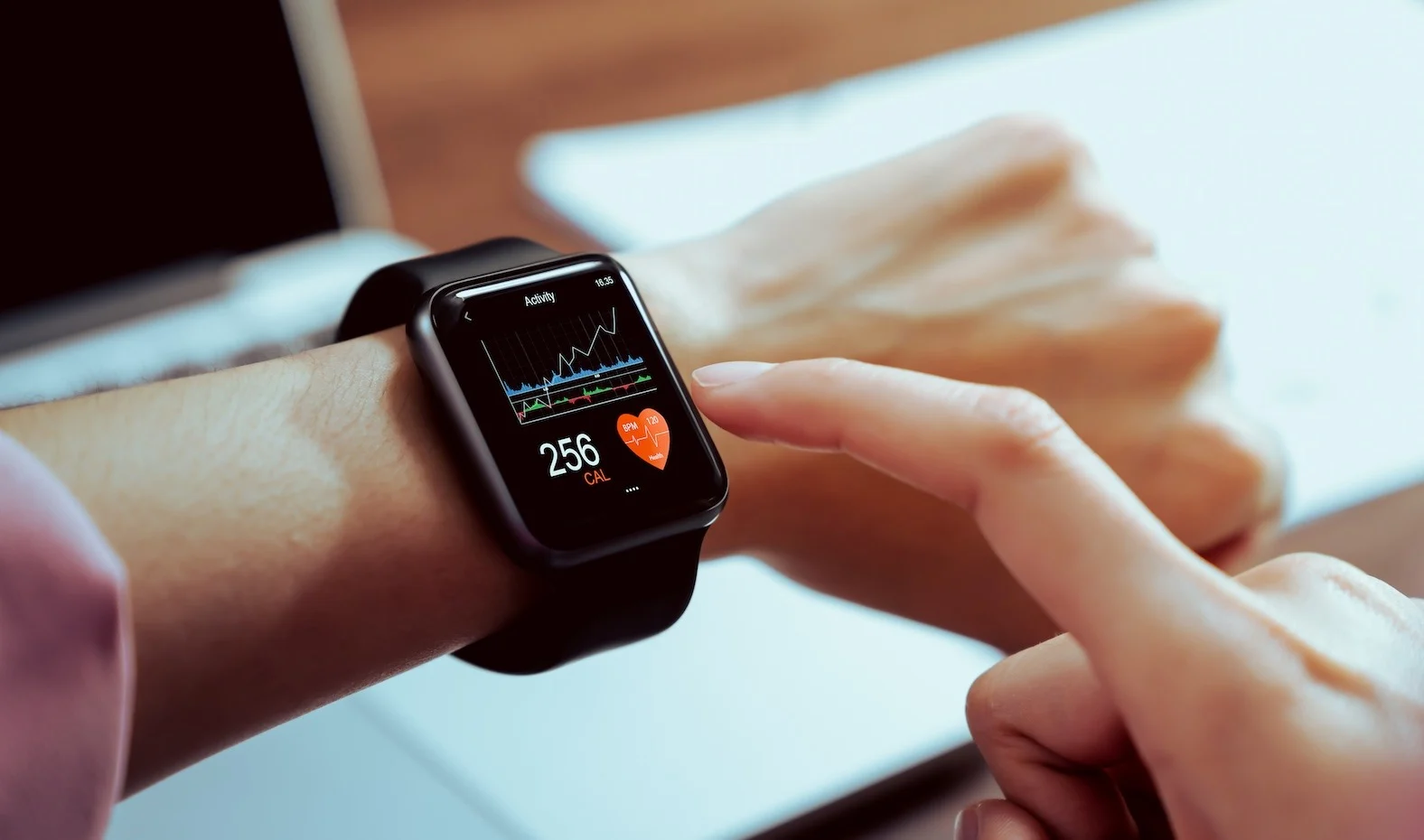
Wearable tech has come a long way from being a niche gadget to a mainstream lifestyle essential. In the early days, wearables were largely limited to step counters, fitness bands, and smartwatches. While these devices are still popular, 2025 marks a new era where wearables are more powerful, more personal, and integrated deeper into our daily lives than ever before. From health monitoring to productivity, entertainment, and even safety, wearable technology is pushing boundaries beyond our imagination.
Table of Contents
The Evolution of Wearable Tech
The first wave of wearables focused on health and fitness tracking. Devices like Fitbit and Apple Watch helped people monitor heart rate, track calories, and measure steps. However, as technology matured, the scope of wearables expanded into areas such as:
- Medical Devices: Wearables that monitor blood sugar, detect irregular heartbeats, and even predict seizures.
- Productivity Tools: Smart glasses, AR headsets, and gesture-controlled devices that enhance work efficiency.
- Entertainment and Gaming: Immersive VR/AR wearables that create new digital experiences.
- Safety and Security: Panic buttons, child trackers, and military-grade wearables.
Today, wearables are no longer just accessories—they are gateways to a smarter, healthier, and more connected lifestyle.
Health Beyond the Basics
Health remains the biggest driver of wearable tech, but the technology in 2025 goes far beyond step tracking.
- Continuous Health Monitoring
Modern wearables can track blood pressure, oxygen levels, hydration, and even stress in real time. For people with chronic conditions like diabetes or heart disease, wearables act as a lifeline by providing early warnings. - Smart Clothing
Clothes with embedded sensors are gaining popularity. Smart shirts, for example, can measure respiration rates and muscle activity, helping athletes and patients alike optimize performance and recovery. - Implantable Devices
While still in early stages, some companies are developing implantable wearables that continuously monitor body functions without needing to be worn externally. - Mental Health Tracking
AI-powered wearables now track mood, stress levels, and sleep quality. Combined with apps, they offer guided meditation, breathing exercises, and personalized stress-relief tips.
Beyond Fitness: Productivity and Work
Wearables are transforming the way we work. In 2025, remote work, hybrid offices, and gig-based economies are heavily supported by wearable technology.
- AR Glasses: Augmented reality glasses are being used in industries like engineering, medicine, and retail to provide real-time information, instructions, and visualization.
- Gesture-Control Wearables: Devices that allow users to control presentations, machinery, or even computers with hand gestures are making workplaces more efficient.
- Voice and Brain Interfaces: Research is moving toward brain-computer interfaces (BCIs), allowing workers to interact with devices using thoughts instead of physical input.
Entertainment and Lifestyle
Wearables are also redefining entertainment.
- VR Headsets: Virtual reality is becoming mainstream for gaming, concerts, and even travel experiences.
- Haptic Wearables: These devices simulate touch sensations, making gaming and virtual interactions more realistic.
- Smart Jewelry: Rings, necklaces, and earrings are being designed with built-in payment systems, notification alerts, and health features—combining fashion with functionality.
Safety and Security Applications
In an increasingly uncertain world, wearable tech also plays a vital role in safety:
- Child and Elderly Trackers: GPS-enabled wearables ensure families can locate loved ones easily.
- Panic Buttons: Small wearable devices allow users to call for emergency help instantly.
- Military Wearables: Soldiers use AR helmets, smart exoskeletons, and biometric trackers for enhanced safety and efficiency in combat.
Sustainability in Wearables
Another emerging trend in 2025 is eco-friendly wearable technology. With rising concerns about e-waste, companies are focusing on:
- Biodegradable Materials: Wearables made with plant-based or recyclable materials.
- Energy Harvesting: Devices that charge using body heat, movement, or solar energy, reducing the need for frequent charging.
- Modular Designs: Wearables that can be upgraded or repaired easily without throwing away the entire device.
Challenges Facing Wearable Tech
Despite all the innovation, challenges remain:
- Privacy Concerns: Wearables collect sensitive health and personal data, raising questions about how this information is used and stored.
- Battery Life: Many advanced wearables still struggle with short battery life.
- Affordability: Cutting-edge devices are often priced beyond the reach of average consumers.
- Integration: Ensuring that wearables work seamlessly with other devices and systems remains a hurdle.
The Future of Wearable Tech
Looking ahead, we can expect even more radical advancements:
- Brain-Computer Interfaces (BCIs) that allow direct control of devices.
- Wearable AI Assistants that act like personal companions, helping with tasks, health, and productivity.
- Fully Immersive AR/VR Wearables that blur the line between physical and digital reality.
- Medical-Grade Wearables that might replace traditional diagnostic tools in hospitals.
Conclusion
Wearable technology in 2025 is not just about fitness or checking notifications-it is about improving every aspect of human life. From saving lives through medical monitoring to enhancing productivity, enabling immersive entertainment, and ensuring safety, wearables have become an essential part of our daily existence.
As the technology continues to evolve, we are entering a future where wearables are not only on our wrists but embedded in our clothes, accessories, and perhaps even inside our bodies. The possibilities are limitless, and 2025 is just the beginning of this transformative journey. Also Check Best Tech Certifications to Boost Your Career in 2025
1 thought on “Wearable Tech in 2025 – Comprehensive Guide”